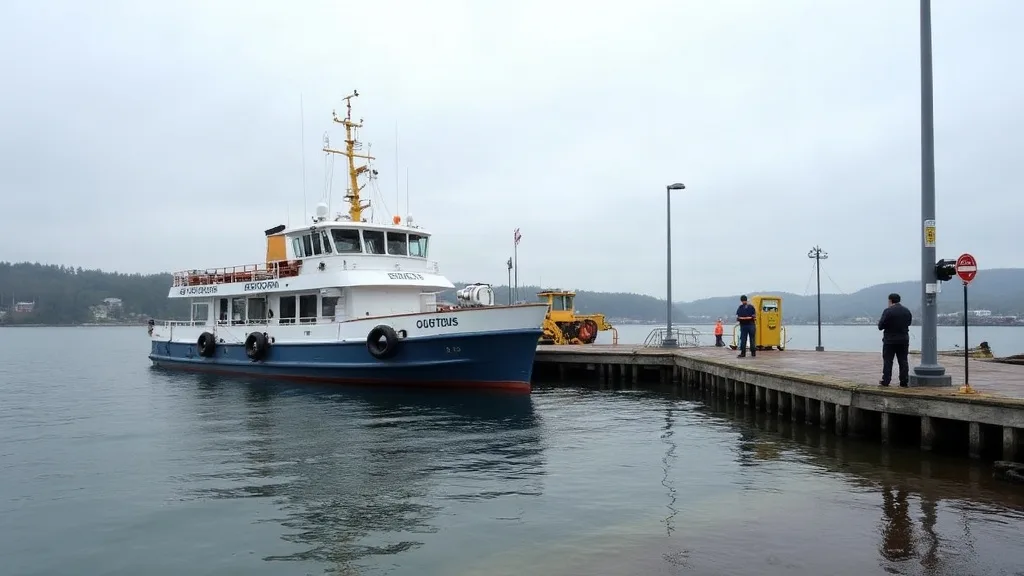
Cape Vincent-Wolfe Island ferry purchase could clear way for reopening
The Cape Vincent-Wolfe Island ferry is expected to be purchased for nearly $250,000, with a possible return to service next summer if work on the Canadian customs building is completed.
By the ClickNNY North Country Desk
The Cape Vincent-Wolfe Island ferry is expected to be purchased this week for close to a quarter of a million dollars, a step toward restoring service between Cape Vincent and Wolfe Island, Ontario.
After the purchase, the ferry is expected to be transferred to the Canadian government for operation. The ports in Cape Vincent and Wolfe Island, along with the ferry, would be under public ownership on both sides of the border.
A Jefferson County economic study found that 90% of 1,500 respondents had used the ferry. The study projected that reopening next summer could generate $29 million in visitor spending over 10 years.
Work is still needed at the Canadian customs building on Wolfe Island. The building may cost more than $1 million to update, and Canadian officials are considering whether a temporary station could allow service to resume sooner. The ferry could return next summer if the remaining steps are completed.
This story was written from a community submission and reviewed by a ClickNNY editor before publication.
More from ClickNNY
Guides and features from across the North Country.
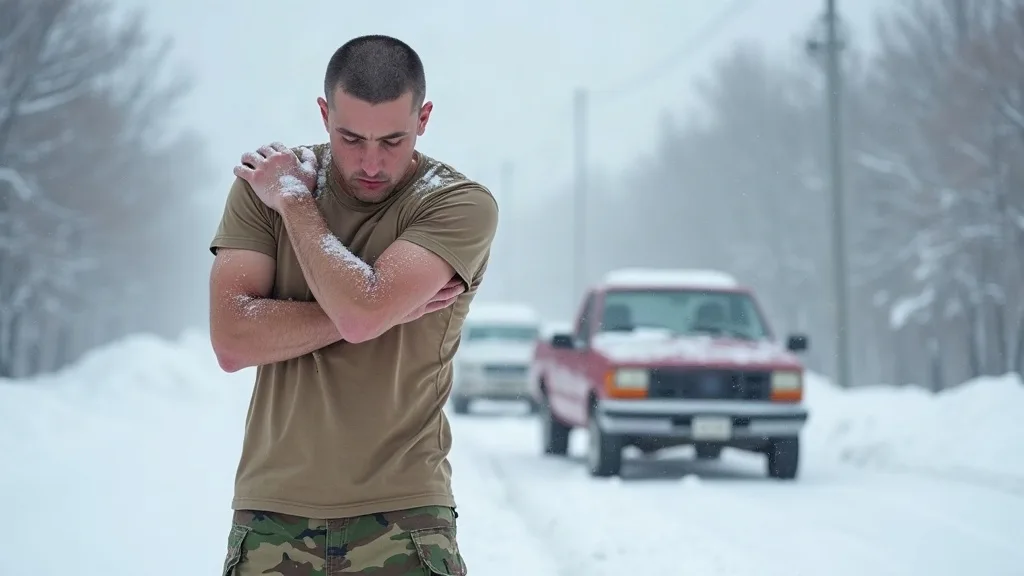
ClickNNY Guide · Fort Drum
Your first North Country winter: a survival guide for Fort Drum soldiers from the South
Never driven on snow, owned a snow blower or felt a February morning at Fort Drum? Here's what to wear, what to keep in your car and how to get through your first lake-effect winter.
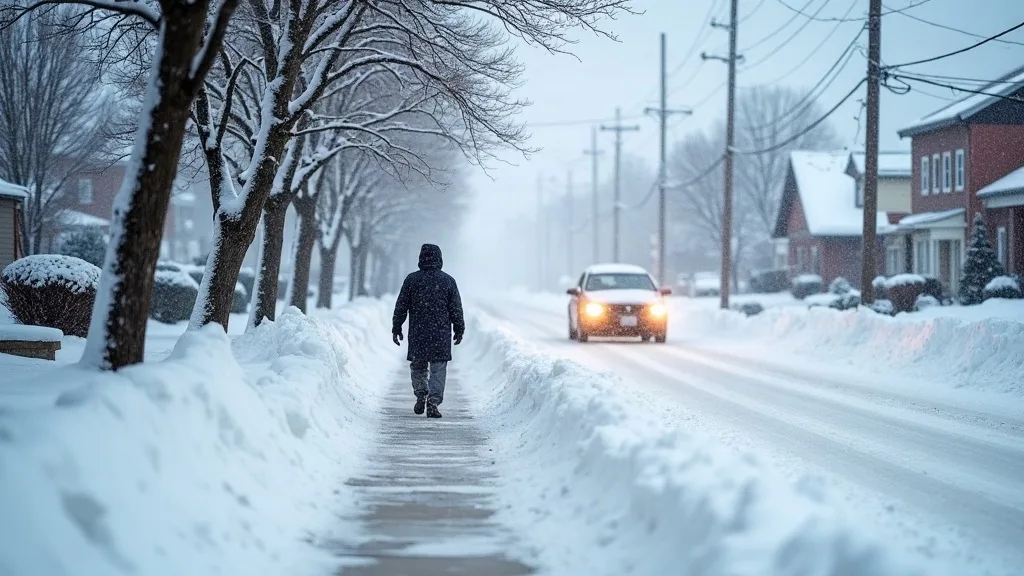
ClickNNY Guide · Winter
Are we ready for another North Country winter?
From heating bills and snow tires to lake-effect storms and the first big snowfall, Northern New York is getting ready for another winter. But how prepared are we really?
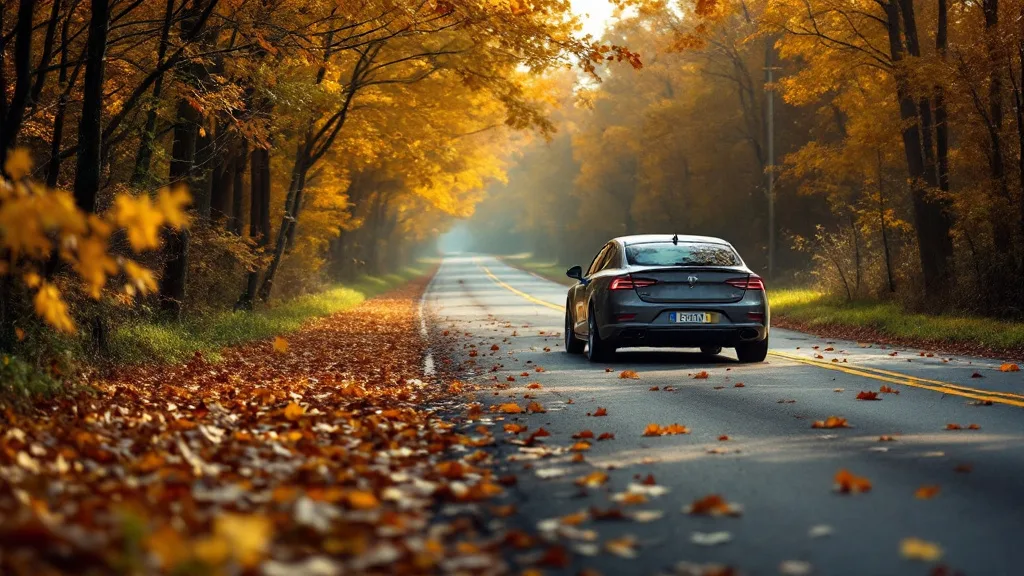
ClickNNY Guide
Driving on wet leaves in the North Country: what to know this fall
Wet leaves, farm equipment, school buses, low sunlight, frost and deer can create seasonal driving hazards in Northern New York, according to safety guidance from AAA Northeast, AARP, New York agencies and the National Highway Traffic Safety Administration.