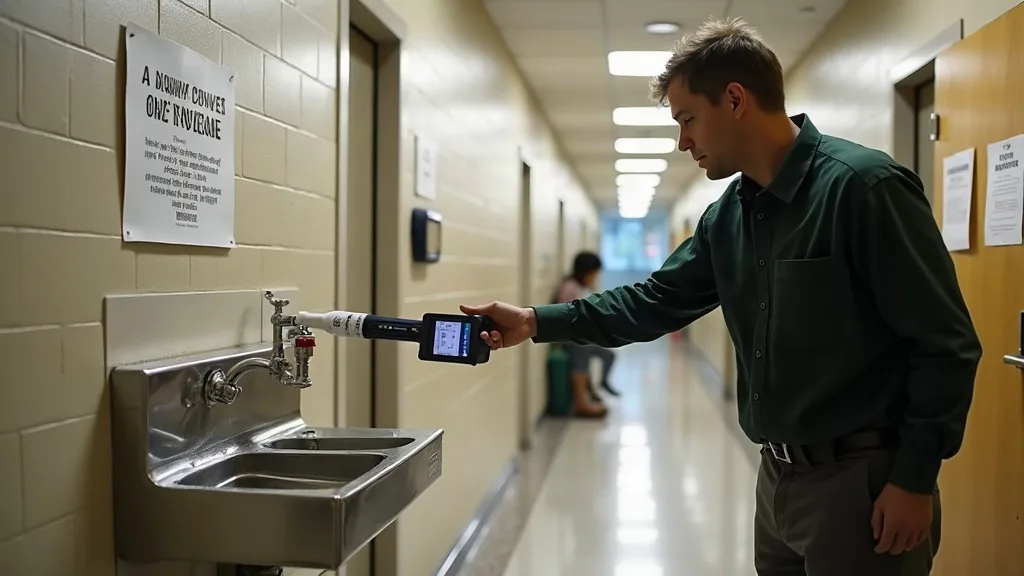
Report finds elevated lead at school drinking-water outlets in three counties
A report says 42% of New York schools face challenges involving lead detected in drinking-water systems, with Jefferson, St. Lawrence and Lewis counties among those with the highest rates, while local districts described steps they take when testing exceeds the state limit.
By the ClickNNY North Country Desk
A report from the New York Public Interest Research Group, Environment America and the Frontier Group says lead was detected in drinking-water systems at 42% of New York schools. It identified Jefferson, St. Lawrence and Lewis counties as having some of the highest rates of elevated lead levels in the state.
New York’s action level for school drinking-water outlets is 5 parts per billion. Jefferson-Lewis BOCES officials said outlets exceeding that level are taken out of service for drinking and food preparation until they are remediated. Watertown Central School District representatives said the district is seeking state grant funding to replace aging fixtures and plumbing lines. Carthage Central School District officials said they take immediate corrective action when an outlet exceeds the state threshold.
This story was written from a community submission and reviewed by a ClickNNY editor before publication.
More from ClickNNY
Guides and features from across the North Country.
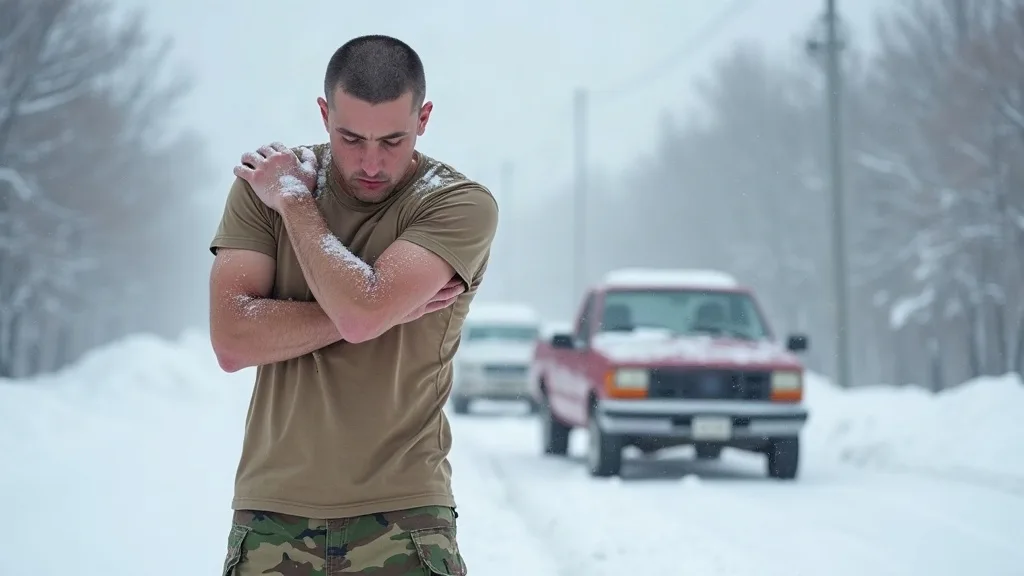
ClickNNY Guide · Fort Drum
Your first North Country winter: a survival guide for Fort Drum soldiers from the South
Never driven on snow, owned a snow blower or felt a February morning at Fort Drum? Here's what to wear, what to keep in your car and how to get through your first lake-effect winter.
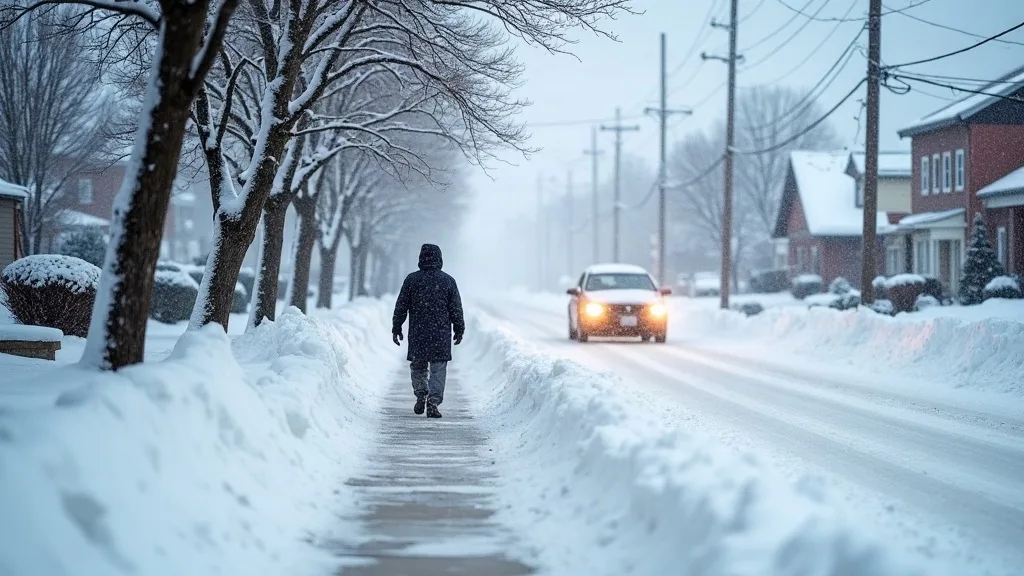
ClickNNY Guide · Winter
Are we ready for another North Country winter?
From heating bills and snow tires to lake-effect storms and the first big snowfall, Northern New York is getting ready for another winter. But how prepared are we really?
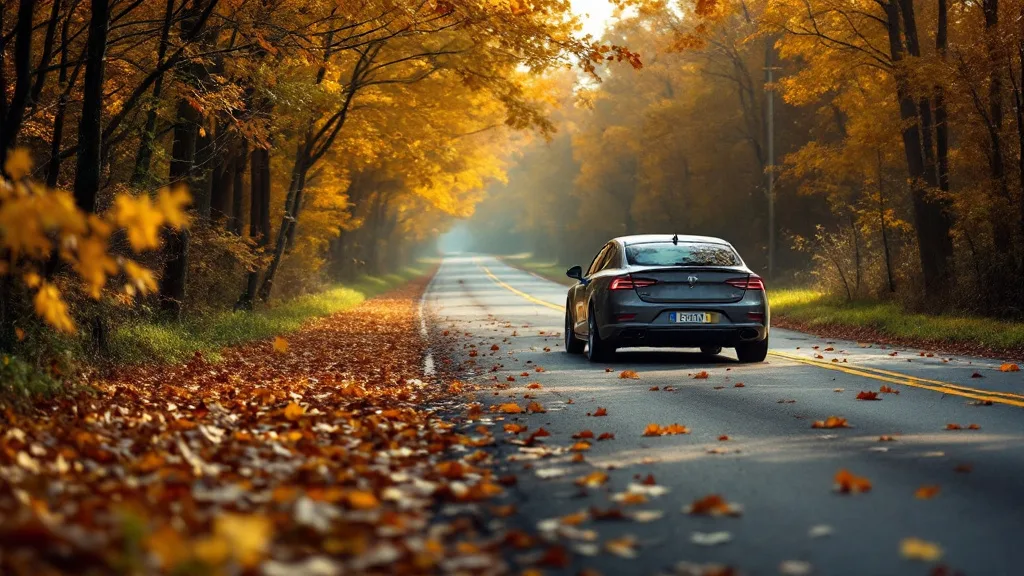
ClickNNY Guide
Driving on wet leaves in the North Country: what to know this fall
Wet leaves, farm equipment, school buses, low sunlight, frost and deer can create seasonal driving hazards in Northern New York, according to safety guidance from AAA Northeast, AARP, New York agencies and the National Highway Traffic Safety Administration.